Effective Gas Detector Placement and Positioning
Gas detectors must be mounted where gas is most likely to be present: high for lighter-than-air gases, low for heavier-than-air gases, and facing downwards. The exact positions should be set on the advice of experts in gas dispersion.
Key points
- The locations needing most protection in an industrial plant are around gas boilers, compressors, pressurised storage tanks, cylinders or pipework.
- Lighter-than-air gases (Methane, Ammonia): mount high. Heavier-than-air gases (Butane, Sulfur Dioxide): mount low.
- Detectors must be installed with the sensor facing downwards.
- For open-path infrared devices, the beam must not be permanently obscured or blocked.
Standards and rules of practice
Useful guidance is available from standards such as EN 60079-29-2 and others covering the selection, installation, use and maintenance of equipment for the detection and measurement of flammable gases or oxygen. Similar international codes of practice, such as the National Electrical Code (NEC) or the Canadian Electrical Code (CEC), may be used where applicable. In addition, some regulatory bodies publish specifications setting minimum gas detection requirements for specific applications.
These references are helpful, but they tend to be either very general and therefore too general in detail, or application-specific and therefore irrelevant in most applications. Detector positions must be determined on the advice of experts with specialist knowledge of gas dispersion, combined with the knowledge of process/equipment engineers and safety personnel. The agreements reached on detector positions should also be documented.
Where to place detectors
Detection devices should be mounted where gas is most likely to be present. The locations needing most protection in an industrial plant will be around gas boilers, compressors, pressurised storage tanks, cylinders or pipework. The areas most prone to leaks are valves, gauges, flanges, T-joints, and filling or drain connections.
Considerations when positioning detectors
There are some simple and fairly obvious considerations that help determine detector positions:
- To detect gases lighter than air (for example Methane and Ammonia), detectors should be mounted high, ideally using a collecting cone.
- To detect gases heavier than air (for example Butane and Sulfur Dioxide), detectors should be mounted low.
- Consider how escaping gas may behave because of natural or forced air movement. Mount detectors in ventilation ducts where appropriate.
- When positioning detectors, consider possible damage from natural phenomena, for example rain or flooding. For detectors mounted outdoors, it is better to use a weather protection assembly.
- Use a sunshade for the detector if it is placed in a hot climate and in direct sunlight.
- Consider the process conditions. For example, Butane is normally heavier than air, but if released from a process line at high temperature and/or under pressure, the gas may rise or spread outwards rather than settle low.
- Detectors should be positioned a little distance from high-pressure parts to allow gas clouds to form. Otherwise, any gas leak could pass through in a high-speed jet and go undetected.
- Consider ease of access for functional testing and maintenance.
- Detectors must be installed at the designated location with the detector facing downwards. This ensures that dust or water will not accumulate on the front of the sensor and prevent gas from entering the detector.
- When installing open-path infrared devices, it is important to ensure that there is no permanent obscuration or blocking of the infrared beam. Short-term blockage by vehicles, site personnel, birds and so on can be tolerated.
- Ensure the structures to which open-path devices are fitted are solid and not prone to vibration.
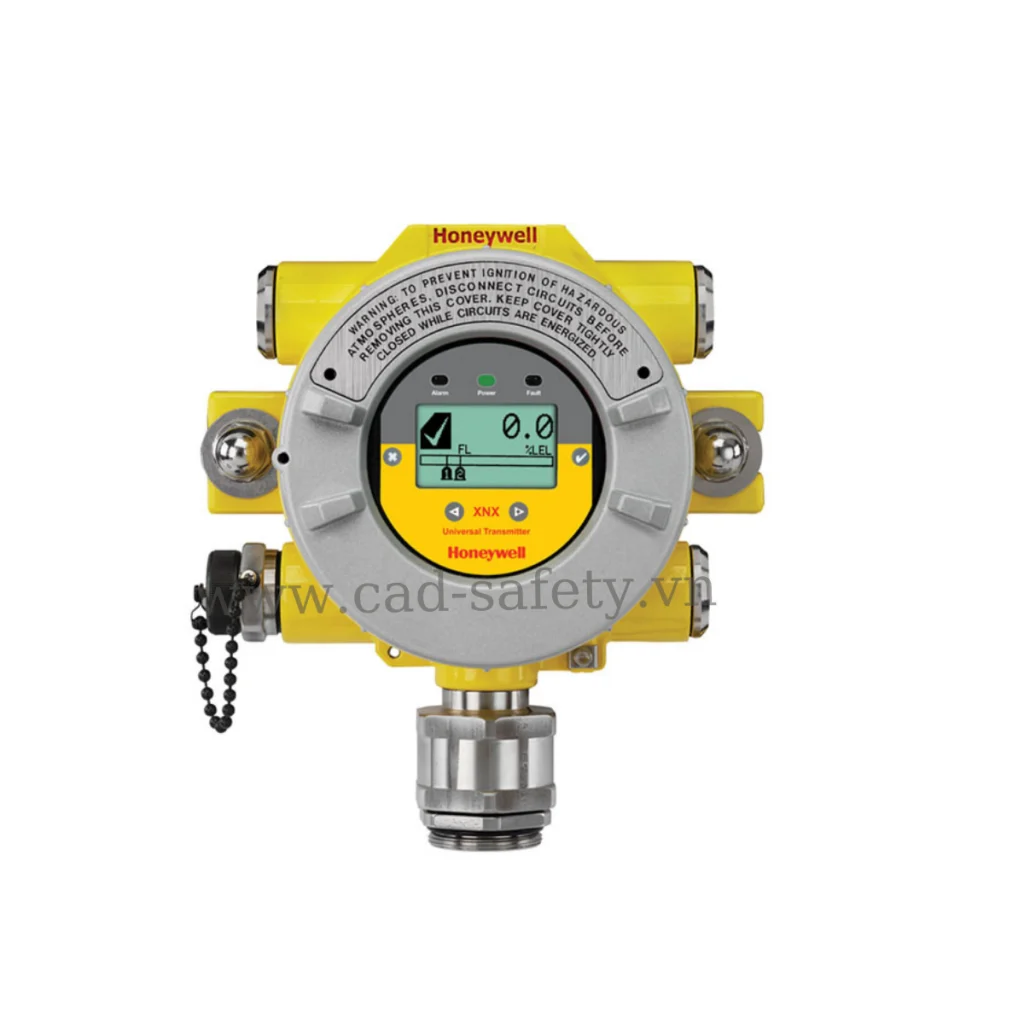
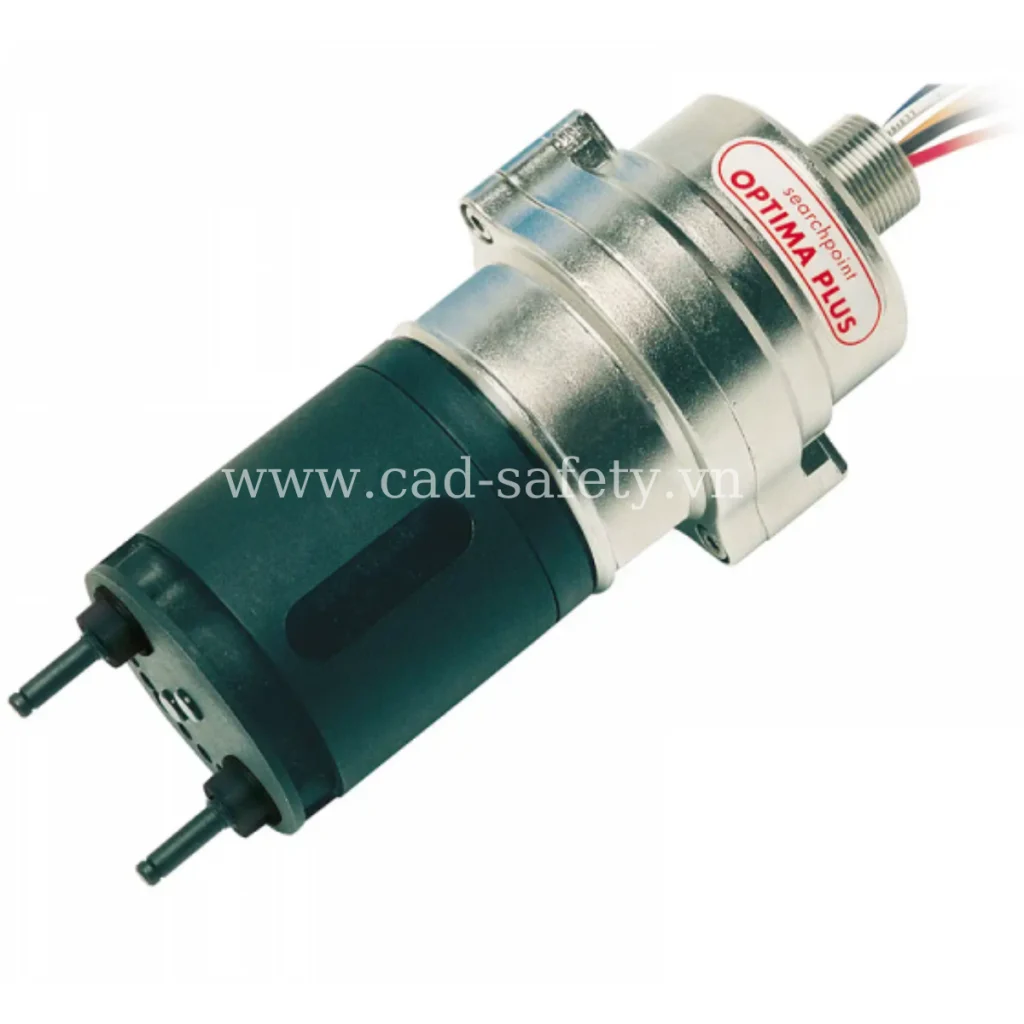
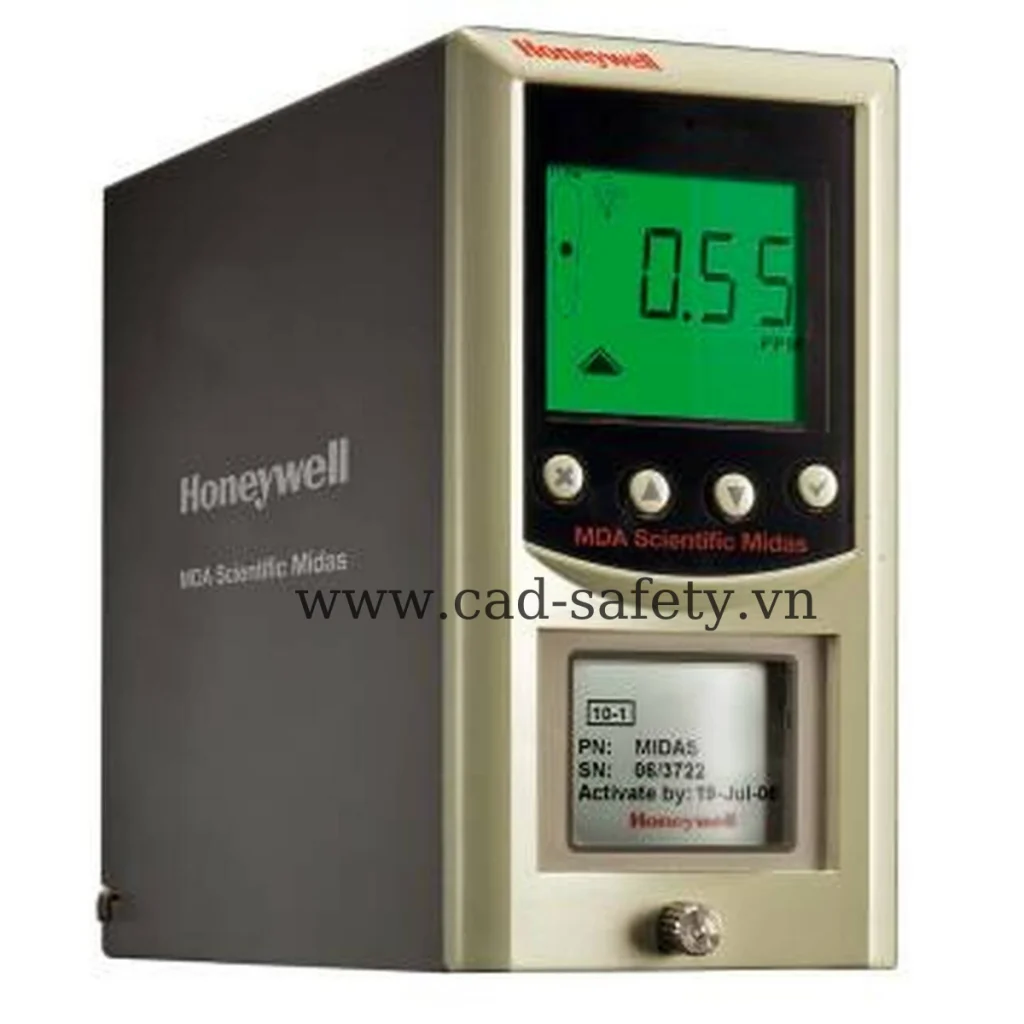
See also the fixed gas detectors from Honeywell.
Frequently asked questions
Where should detectors for lighter-than-air gases be mounted?
To detect gases lighter than air, such as Methane and Ammonia, detectors should be mounted high, ideally using a collecting cone.
Why must gas detectors face downwards?
Installing the detector facing downwards ensures that dust or water will not accumulate on the front of the sensor and prevent gas from entering the detector.
Which areas of a plant are most prone to gas leaks?
The areas most prone to leaks are valves, gauges, flanges, T-joints, and filling or drain connections.