How to Choose the Right Gas Detection Solution
To choose the right gas detection solution, start with a risk assessment, define your main objective, then answer three groups of questions: which gases are involved and where they come from, the location and its environmental conditions, and how easy the equipment is for operators and maintenance staff to use.
Key points
- Before looking at equipment, carry out a risk assessment to identify potential gas, vapour or oxygen-deficiency hazards.
- Identifying the emission sources helps determine the number and position of detectors needed for a fixed gas detection system.
- Temperature, humidity and pressure at the location directly affect the type of equipment to select.
- Different sensor technologies (catalytic bead or infrared NDIR) bring different maintenance requirements and purchase prices.
Understand the hazards in your working environment
Before you start to consider gas detection equipment, a risk assessment must be carried out. Any company that employs staff has a duty to carry out a risk assessment to identify potential hazards, and these may include potential gas, vapour or oxygen-deficiency risks. If gas hazards are identified, gas detection is applied as a risk mitigation method.
Define the main objective
Depending on the processes being carried out and the gas being detected, remote or off-site alarm notification, plus event data logging and reporting, may also be required for Health and Safety management records. Another factor driving the need for enhanced reporting functions can be regulatory compliance or insurance conditions.
Ask the right questions
Once the main objective is defined, suitable equipment is selected by asking a few key questions. They fall into three main categories:
- The gases to be detected and where they may come from
- The location and the environmental conditions where detection takes place
- Ease of use for operators and for routine maintenance staff
Identify the gases to be detected and where they may come from
- The gases to be detected should be identified by the risk assessment, but experienced gas detection manufacturers and their approved distributors can often help in this process, drawing on their experience of similar applications. It is important to remember, however, that the end user is responsible for identifying all potential hazards.
- Identifying potential gas emission sources is also essential, as this helps determine the number and position of the detectors needed for a fixed gas detection system.
Consider the environmental conditions
- The performance, accuracy and reliability of any gas detection equipment will be affected by the environmental conditions it is exposed to.
- Temperature, humidity and pressure levels at the location all have a direct influence on the type of equipment that should be selected.
- Additional factors such as potential variations caused by the production process itself.
- Day/night fluctuations and seasonal changes can also affect the type of equipment that is suitable.
Understand the product functions
- The next area to consider concerns additional product functions. Aspects such as the wiring configuration are important, especially when retrofitting into an existing application. If the equipment is integrated into a separate safety system, certain communication protocols may also be needed.
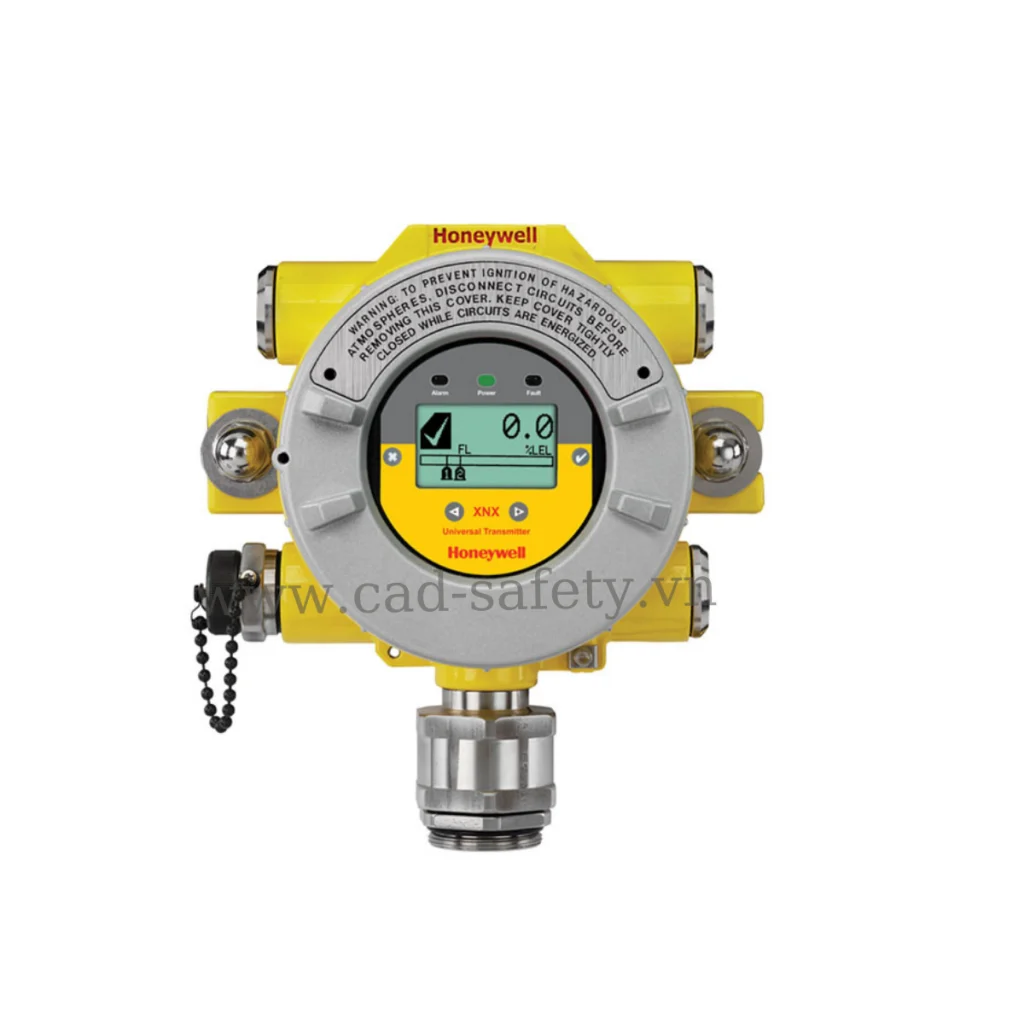
- Requirements for a local display on the transmitter should also be considered, and local configuration of the device and a gas monitor can also be a useful addition.
- Assess the ease of use for operators and for routine maintenance staff.
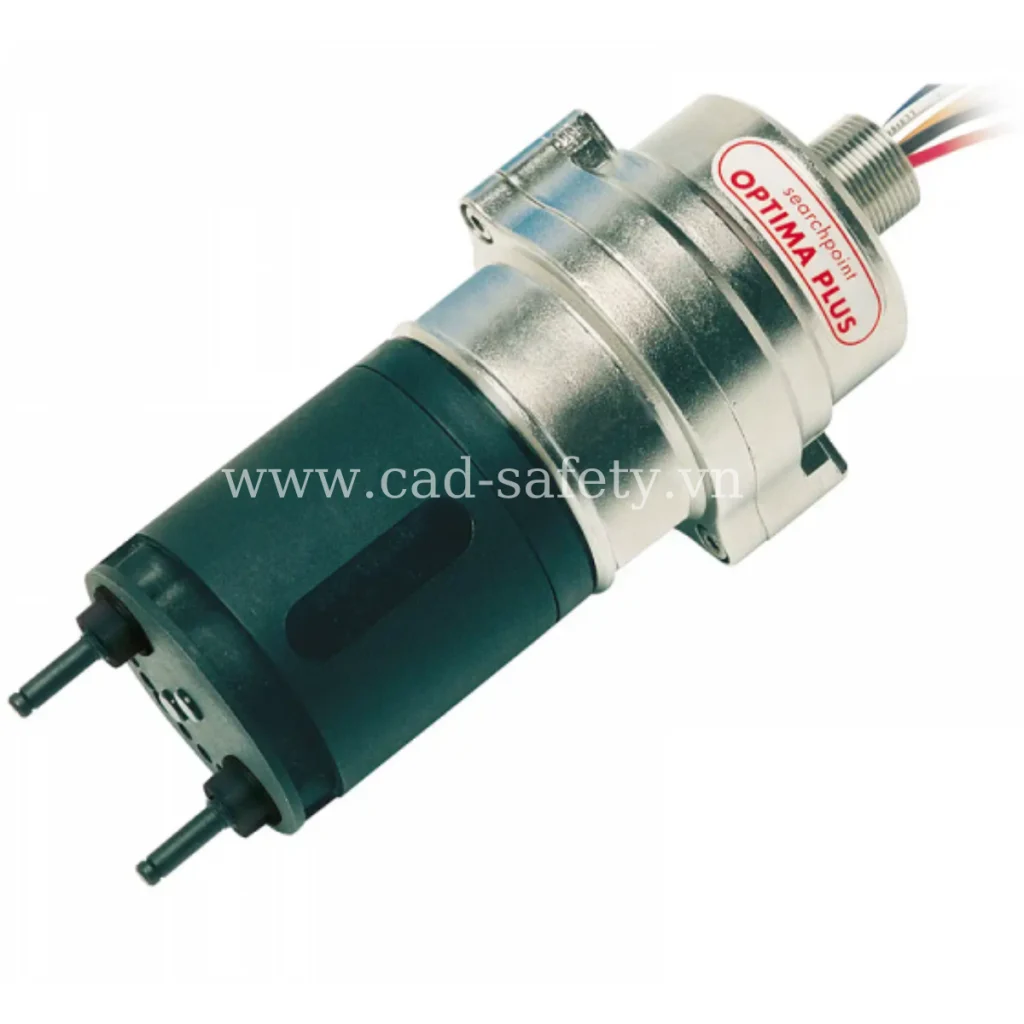
- Routine maintenance is another important point. Some gases and vapours can be detected by several different sensor technologies, for example hydrocarbon gases with catalytic beads or non-dispersive infrared (NDIR). Catalytic beads do not provide fail-safe operation and may therefore require a high frequency of routine maintenance, whereas NDIR-based solutions tend to have a higher initial purchase price but may require less routine maintenance. The in-house resources to carry out such routine maintenance need to be identified and, where they are not available, budgeting for third-party maintenance is an important factor in choosing suitable equipment.
For mobile monitoring needs, see also the portable gas detectors from Honeywell.
Frequently asked questions
What should be done before choosing gas detection equipment?
A risk assessment must be carried out to identify potential gas, vapour or oxygen-deficiency hazards. If gas hazards are identified, gas detection is applied as a risk mitigation method.
Why identify the gas emission sources?
It helps determine the number and position of the detectors needed for a fixed gas detection system.
How do catalytic bead and NDIR sensors differ in maintenance?
Catalytic beads may require a high frequency of routine maintenance. NDIR-based solutions tend to have a higher initial purchase price but may require less routine maintenance.