Why Gas Detector Calibration Matters
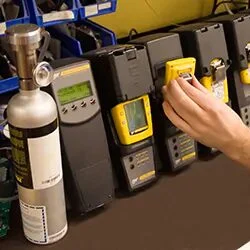
One of the most common faults in catalytic sensors is degraded performance caused by exposure to certain poisons. Any gas monitoring system must therefore be calibrated not only at installation but also checked regularly and recalibrated when necessary.
Key points
- Catalytic sensors can lose performance when exposed to certain poisons.
- Checks must use an accurately calibrated gas mixture so that the zero and ‘span’ levels can be set correctly on the controller.
- For a new installation, frequent checks (perhaps weekly) are prudent at first; the interval can be extended as operating experience is gained.
- ‘One-man’ calibration systems and Intrinsically Safe (IS) sensors reduce maintenance time and cost.
Calibration requirements and intervals
The standard EN 60079-29-2 (IEC 60079-29-2) gives guidance and recommended practice on the selection, installation, use and maintenance, including calibration, of detectors for flammable gases (% LEL) and oxygen. It is not itself a mandatory requirement; some countries have general or industry-specific regulations that must be followed as a minimum. For a new installation it may be prudent to check frequently at first (perhaps weekly), then extend the interval (perhaps to monthly) as confidence grows through operating experience and maintenance records.
When two alarm levels are required, the lower level is typically set at about 20% LEL and the upper level at about 40% LEL (exact values depend on the application and applicable regulations).
Calibrating older and modern systems
Older, lower-cost systems
Older (and lower-cost) systems need two people to check and calibrate: one to expose the sensor to the gas flow, and one to watch the scale on its controller. Adjustments are then made at the controller, on the zero and span potentiometers, until the reading matches the concentration of the gas mixture exactly.
Remember that when adjustments have to be made inside a flameproof enclosure, the power must first be isolated and a permit is required to open the enclosure.
‘One-man’ calibration and Intrinsically Safe sensors
Today, some ‘one-man’ calibration systems allow the calibration procedure to be carried out at the sensor itself. This significantly reduces maintenance time and cost, especially where sensors are difficult to reach, such as on offshore oil and gas platforms.
In addition, some sensors are now designed to Intrinsically Safe (IS) standards, which lets you calibrate the sensor in a convenient place away from the site (for example, in a maintenance workshop). Because these sensors are IS, they can be freely exchanged with sensors that need replacing in the field, so maintenance can be carried out on a ‘live’ system and is much faster and cheaper than with conventional systems.
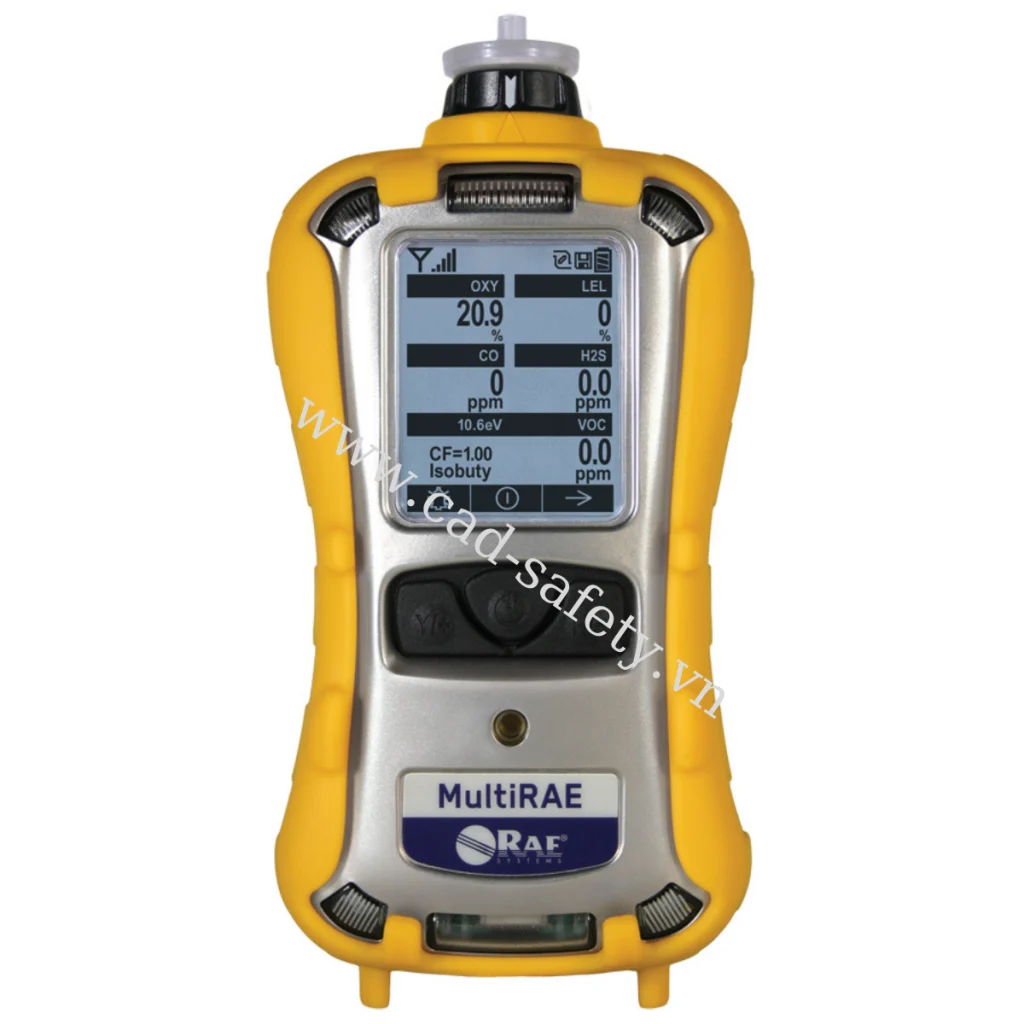
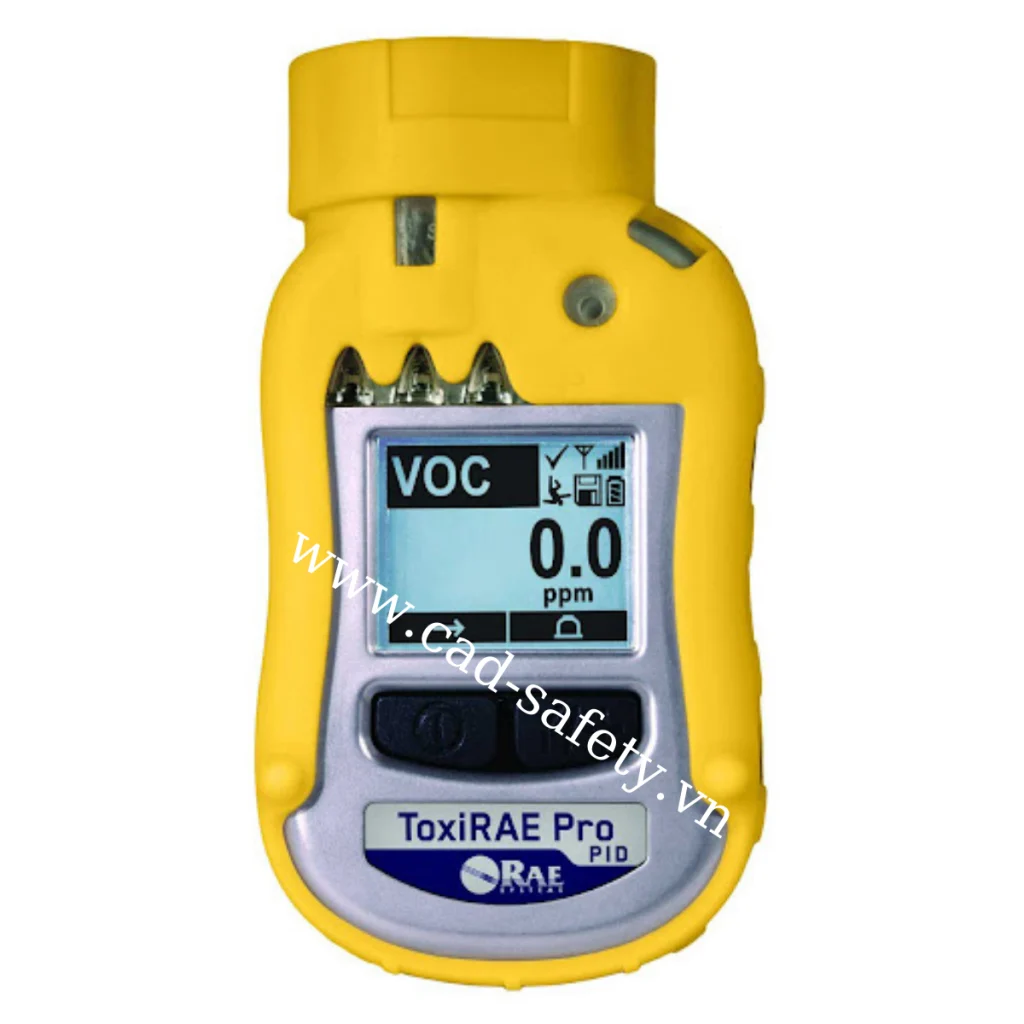
See also the fixed gas detectors and portable gas detectors in the CAD equipment catalogue.
Frequently asked questions
Why must catalytic sensors be calibrated?
One of the most common faults in catalytic sensors is degraded performance from exposure to certain poisons, so the system must be calibrated at installation, checked regularly and recalibrated when necessary.
How often should calibration be checked?
For a new installation, frequent checks (perhaps weekly) are prudent at first, and the interval can be extended as operating experience is gained.
What is used to check and calibrate a gas detector?
An accurately calibrated gas mixture is used, so that the zero and span levels can be set correctly on the controller.