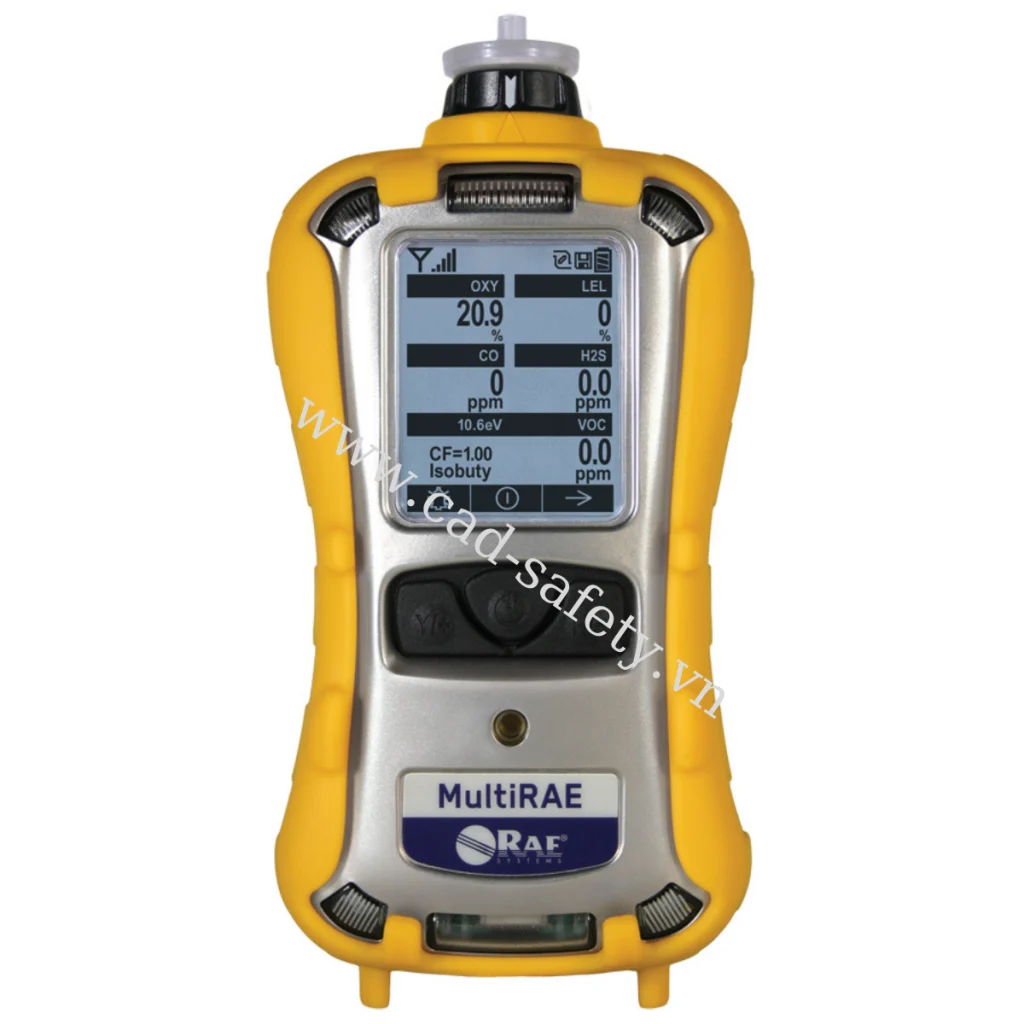
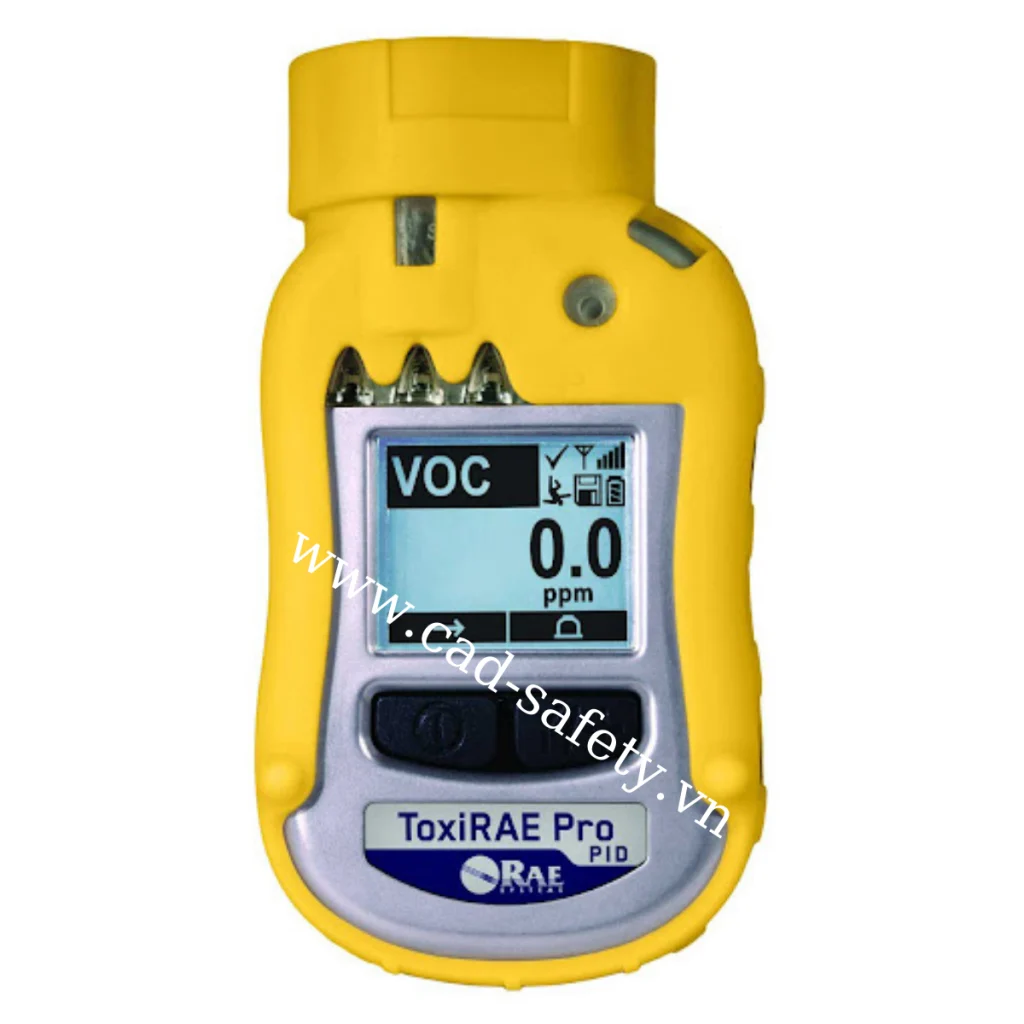
Portable Gas Detectors: Role and When to Use Them
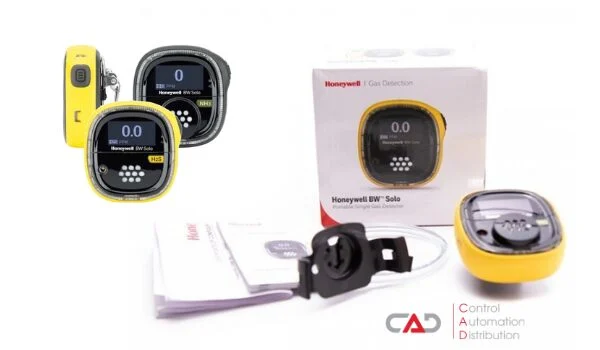
A portable gas detector is generally regarded as a type of Personal Protective Equipment (PPE) that keeps personnel safe from gas hazards and allows mobile checking of locations before they enter. It is the most direct means of continuously monitoring the operator’s breathing zone, whether stationary or moving.
Key points
- Portable gas detectors are generally regarded as personal protective equipment (PPE).
- Fixed gas detection cannot move with the operator, so some areas may lie outside the detection perimeter.
- Many sites use a combination of fixed and portable gas detection; sometimes portable detection is used on its own.
- Changing legislation and insurance prerequisites are making portable gas detectors more common.
The role of portable gas detectors
Portable gas detectors are generally regarded as a type of Personal Protective Equipment (PPE), designed to keep personnel safe from gas hazards and allow mobile checking of locations before they enter. These small devices are essential in many areas where gas hazards may occur, because they are the most direct means of continuously monitoring the operator’s breathing zone, both stationary and moving.
Although fixed gas detection provides personnel protection in its own right, it cannot move with the operator, and this creates the possibility that the operator may enter an area outside the detection perimeter of the fixed detector.
When portable detection is used on its own
Many sites use a combination of fixed and portable gas detection, but sometimes portable gas detection is used on its own. This choice may be made for the following reasons:
- The area may not be entered regularly by personnel, making the addition of fixed gas detection cost-prohibitive.
- The area may be small or difficult to access, making the placement of fixed gas detection impractical.
- The application requiring detection may not be stationary.
Regulation and insurance drive adoption
Changing legislation and regulatory compliance, combined with evolving insurance prerequisites, are making the use of handheld gas detectors more common in many industries. There is strong motivation at many sites to have a mobile gas detection fleet in place as a way of supporting this. In addition to statutory requirements (where compliance is mandatory), many sites also choose to implement site-specific rules, for example bump testing a portable gas detector before it is used by any operator.
Portable ranges to consider include the handheld gas detectors from Honeywell BW and RAE Systems.
Frequently asked questions
How are portable gas detectors classified?
Portable gas detectors are generally regarded as a type of Personal Protective Equipment (PPE), designed to keep personnel safe from gas hazards.
Why is fixed gas detection not enough to protect the operator?
Fixed gas detection cannot move with the operator, so the operator may enter an area outside the detection perimeter of the fixed detector.
When is portable gas detection used on its own?
When the area is rarely entered so fixed detection would be cost-prohibitive, when the area is small or hard to access, or when the application requiring detection is not stationary.