Toxic Gas at Work: How to Monitor Exposure
According to Honeywell Analytics, more people die from exposure to toxic gases than from explosions caused by the combustion of flammable gases. Note that there is a large group of gases that are both flammable and toxic, so even toxic gas detectors sometimes need hazardous-area approval. The main reason for treating flammable and toxic gases separately is that the hazards, the related regulations and the types of sensor required are different. This article draws on Honeywell Analytics material.
Key points
- With toxic substances, the main concern is the effect on workers exposed to even very low concentrations.
- It matters not only to measure gas concentration but also the total exposure time.
- Both area monitoring and personal monitoring are important parts of an overall safety plan.
- The best system must monitor short-term and long-term exposure as well as instantaneous alarm levels.
Why total exposure time matters
With toxic substances, apart from the obvious environmental issues, the main concern is the effect on workers exposed to even very low concentrations; the substances can be inhaled, ingested or absorbed through the skin. Because adverse effects can often be the result of cumulative long-term exposure, it is important to measure not only gas concentration but also the total exposure time. There are even some known synergistic cases, where substances can interact and produce a much worse effect in combination than the effects of each substance separately.
Concern about concentrations of toxic substances in the workplace covers both organic and inorganic compounds, including their effects on employees’ health and safety, the possible contamination of an end product being manufactured (or of the equipment used to make it) and the resulting disruption of normal work operations.
Workplace exposure limits
The terms ‘workplace exposure limits’ or ‘occupational hazard monitoring’ are commonly used for the area of industrial health monitoring concerned with employees’ exposure to toxic conditions of gas, dust, noise and so on. In other words, the aim is to ensure that levels in the workplace are below the statutory limits.
Area monitoring and personal monitoring
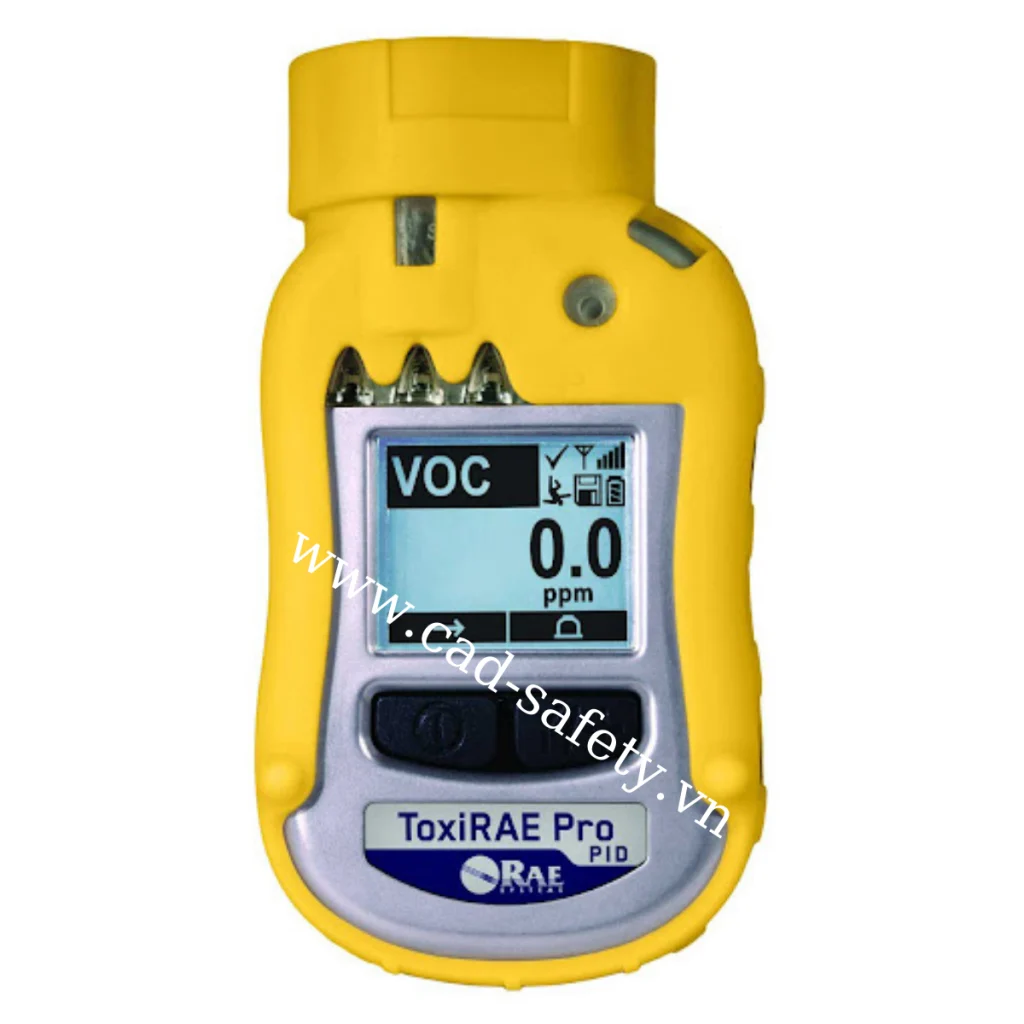
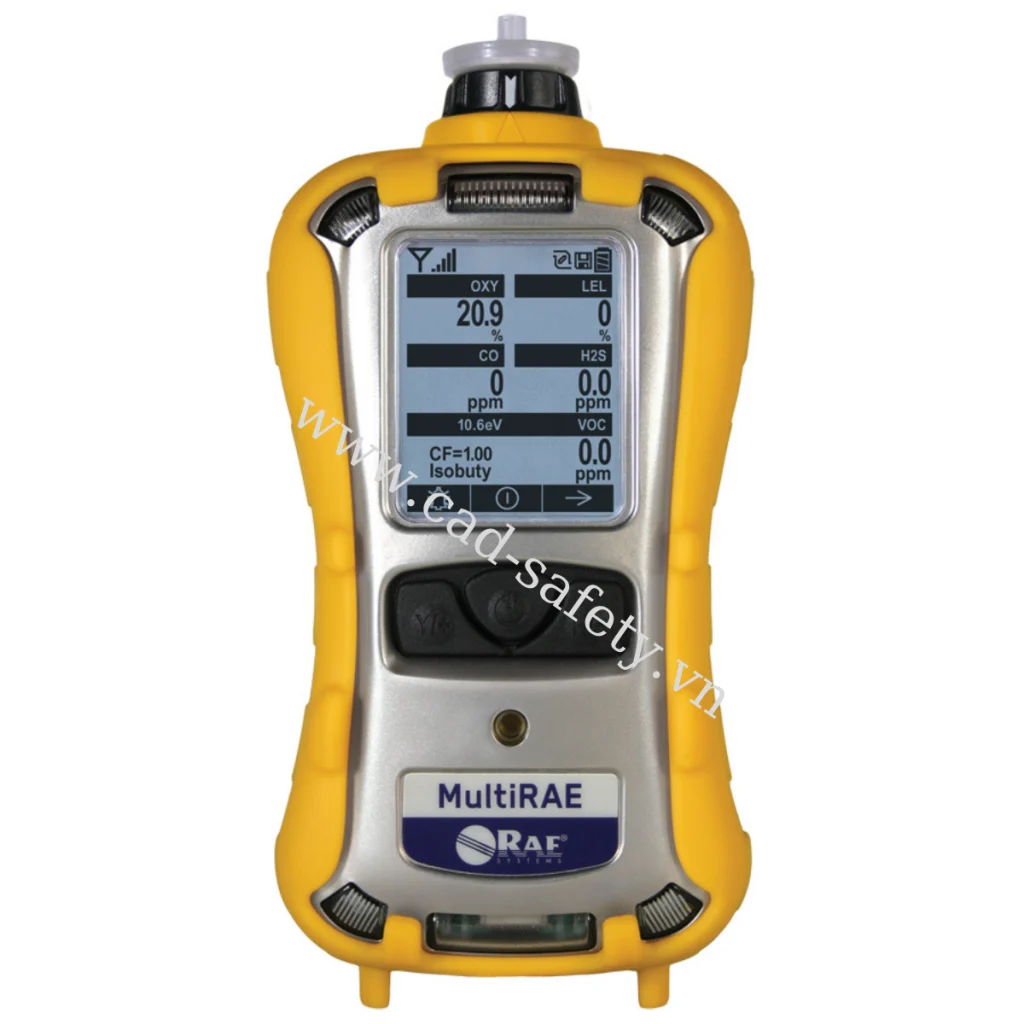
This subject covers both area surveys (profiling potential exposure) and personal monitoring, in which workers wear instruments and sampling is done as close to the breathing zone as possible, so that the measured contamination level truly represents what the worker inhales. For personal monitoring, a wearable portable gas detector can be used.
Both personal and workplace monitoring must be regarded as important parts of an overall, integrated safety plan. They are intended only to provide the necessary information on conditions as they exist in the atmosphere, which then allows the necessary actions to be taken to comply with the relevant industrial regulations and safety requirements.
Short-term and long-term exposure
Whichever approach is chosen, it is important to take account of the toxic nature of any gas involved. For example, any instrument that measures only a time-weighted average, or one that takes samples for later laboratory analysis, will not protect workers from a brief exposure to a lethal dose of a highly toxic substance. On the other hand, exceeding the average long-term exposure limit (LTEL) for a short period can be quite normal in some areas of a plant and need not be treated as an alarm situation. The optimum instrument system must therefore be able to monitor both short-term and long-term exposure levels as well as instantaneous alarm levels.
Frequently asked questions
Do toxic gases or flammable gas explosions kill more people?
According to Honeywell Analytics, more people die from exposure to toxic gases than from explosions caused by the combustion of flammable gases.
Why is measuring concentration alone not enough for toxic gases?
Adverse effects are often the result of cumulative long-term exposure, so both gas concentration and total exposure time need to be measured.
How is personal monitoring carried out?
Workers wear instruments and sampling is done as close to the breathing zone as possible, so the measured level represents what the worker inhales.