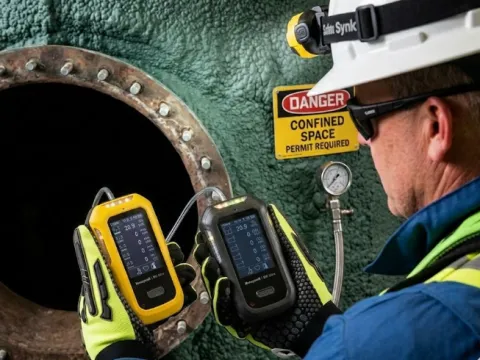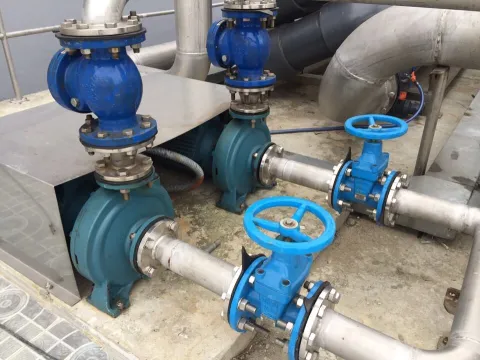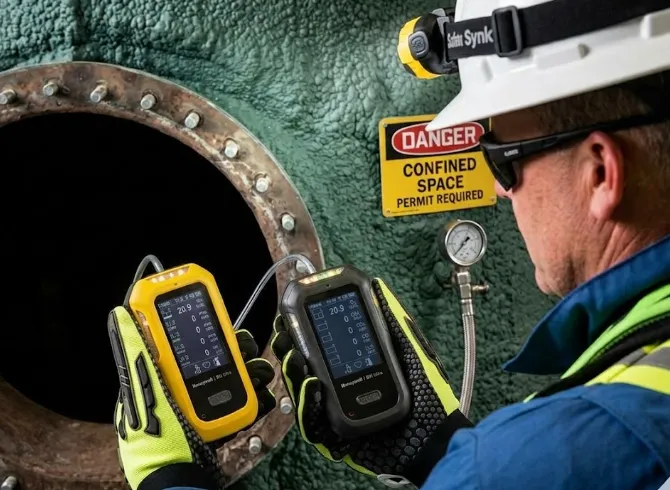
Industrial Gas Detection Systems: Gas Detectors, Control Panels and Layout for Plants
An industrial gas detection system (a fixed gas detection system) consists of industrial gas detectors fixed at points where leaks may occur, a control panel that receives their signals and raises alarms, and output devices such as sounders, beacons, valve shut-off relays or fans. The aim is to warn early, before a flammable gas reaches an explosive level or a toxic gas reaches a harmful level, so that people and systems can react in time. This article covers how to choose the detector technology, where to place detectors, how to set alarm levels and how to maintain the system in a plant.
Key points
- The system has three layers: detectors, a controller (the gas detection panel) and output devices.
- Three main sensor technologies: catalytic and infrared (IR) for flammable gases, electrochemical for toxic gases and oxygen.
- Detector placement depends on the gas density and the likely leak points; the final decision should rest on a risk assessment.
- Flammable gas alarms are commonly set around 20% and 40% LEL; toxic gas alarms follow the occupational exposure limits of the applicable regulation.
- Detectors need functional checks (bump tests) and periodic calibration following the manufacturer’s instructions and the level of risk.
What a gas detection system includes
- Fixed gas detectors measure gas concentration on the spot and send a 4-20 mA, HART or Modbus signal. See the fixed gas detectors group.
- The controller (gas detection panel) receives signals from many detectors, compares them with the alarm thresholds, displays them and drives the outputs.
- Output devices: sounders, beacons (explosion-proof types in hazardous areas), relays that shut off a gas valve or equipment, extraction fans, connections to a DCS/PLC.
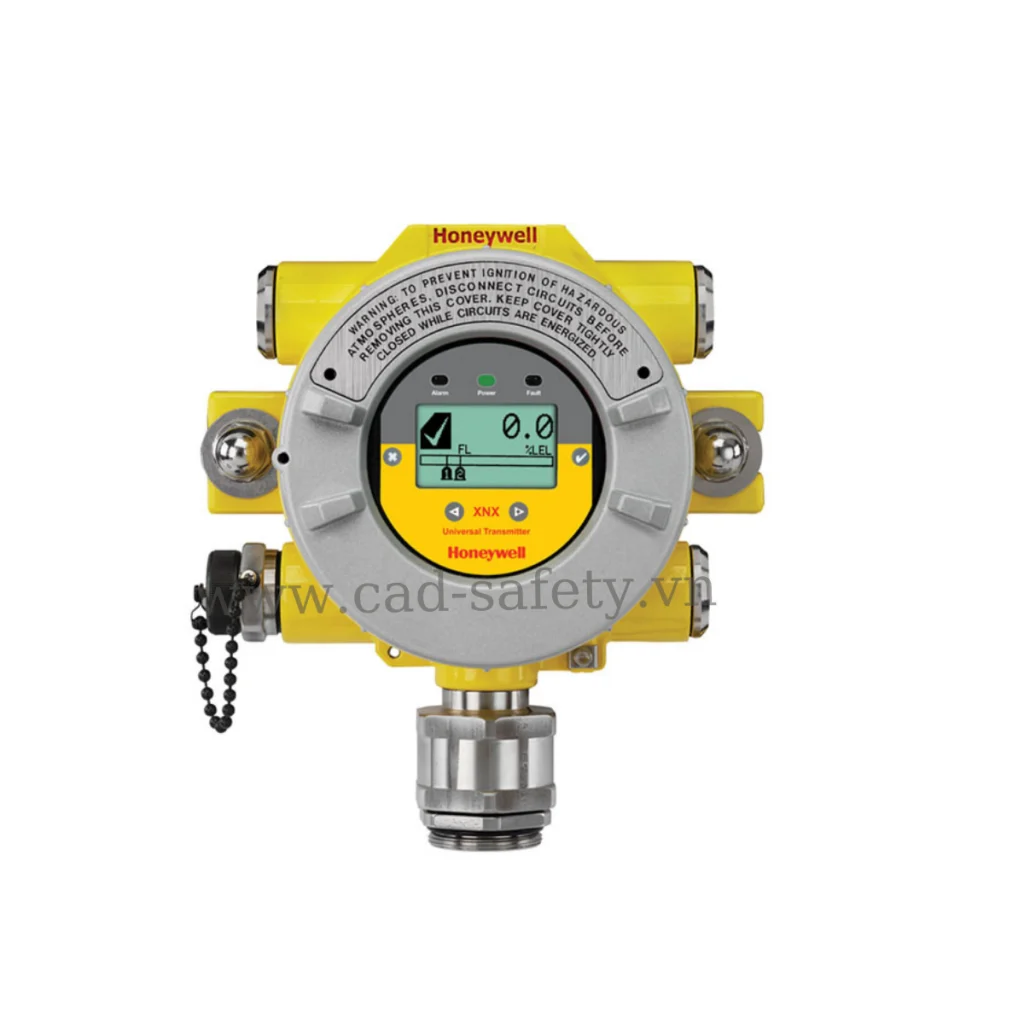
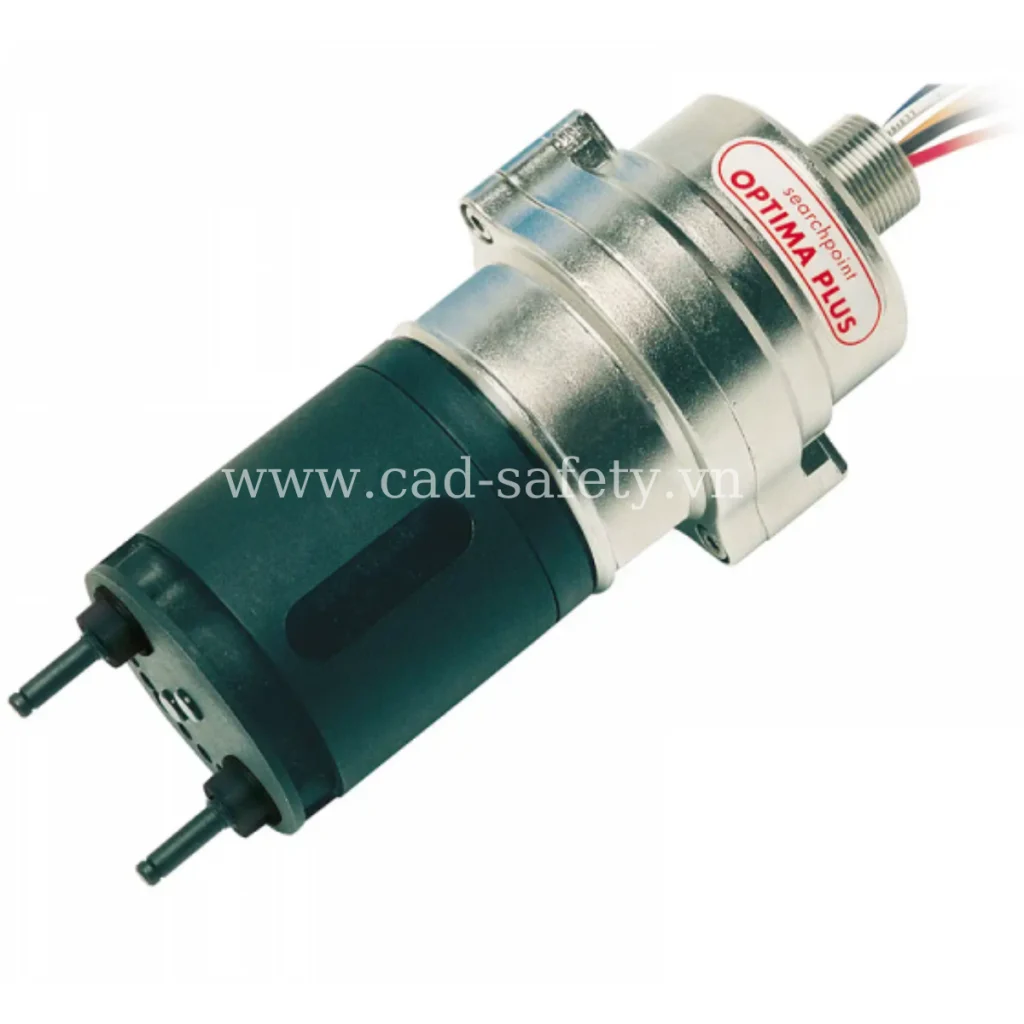
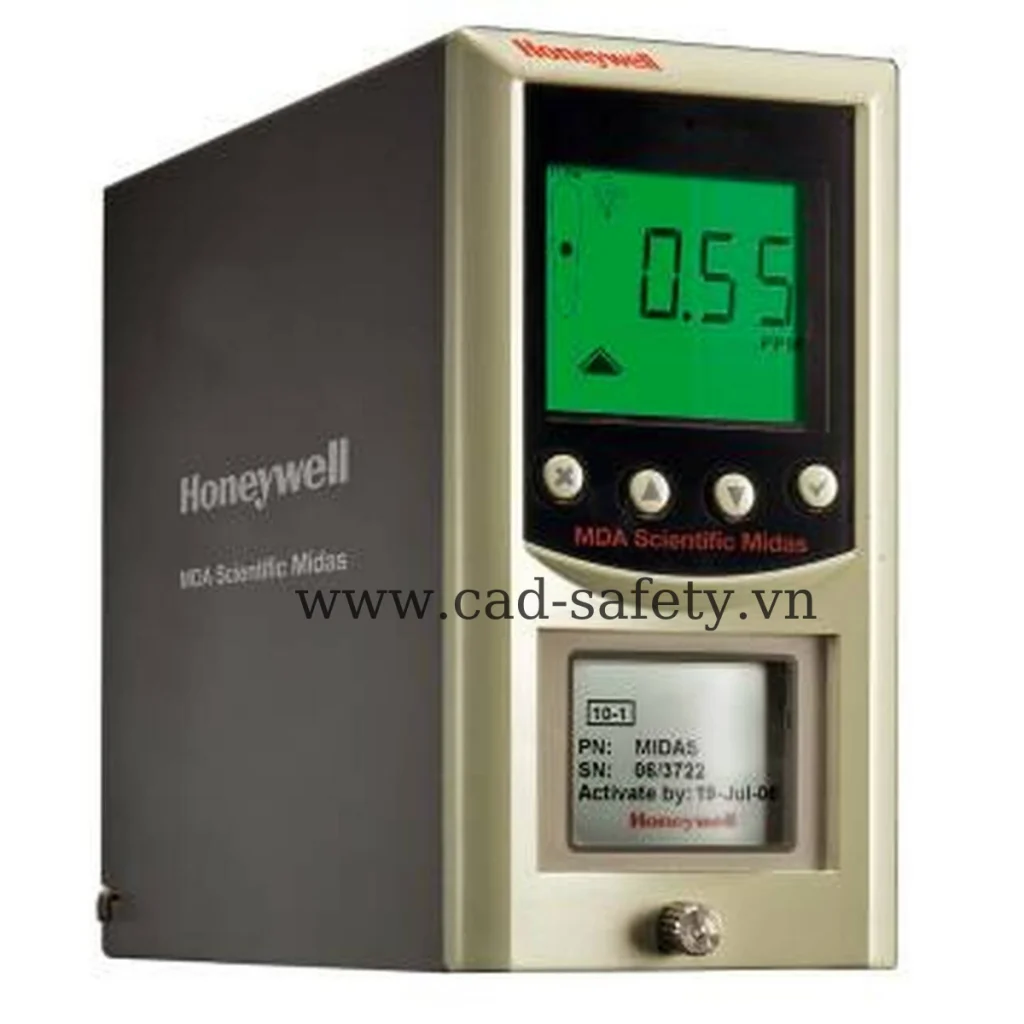
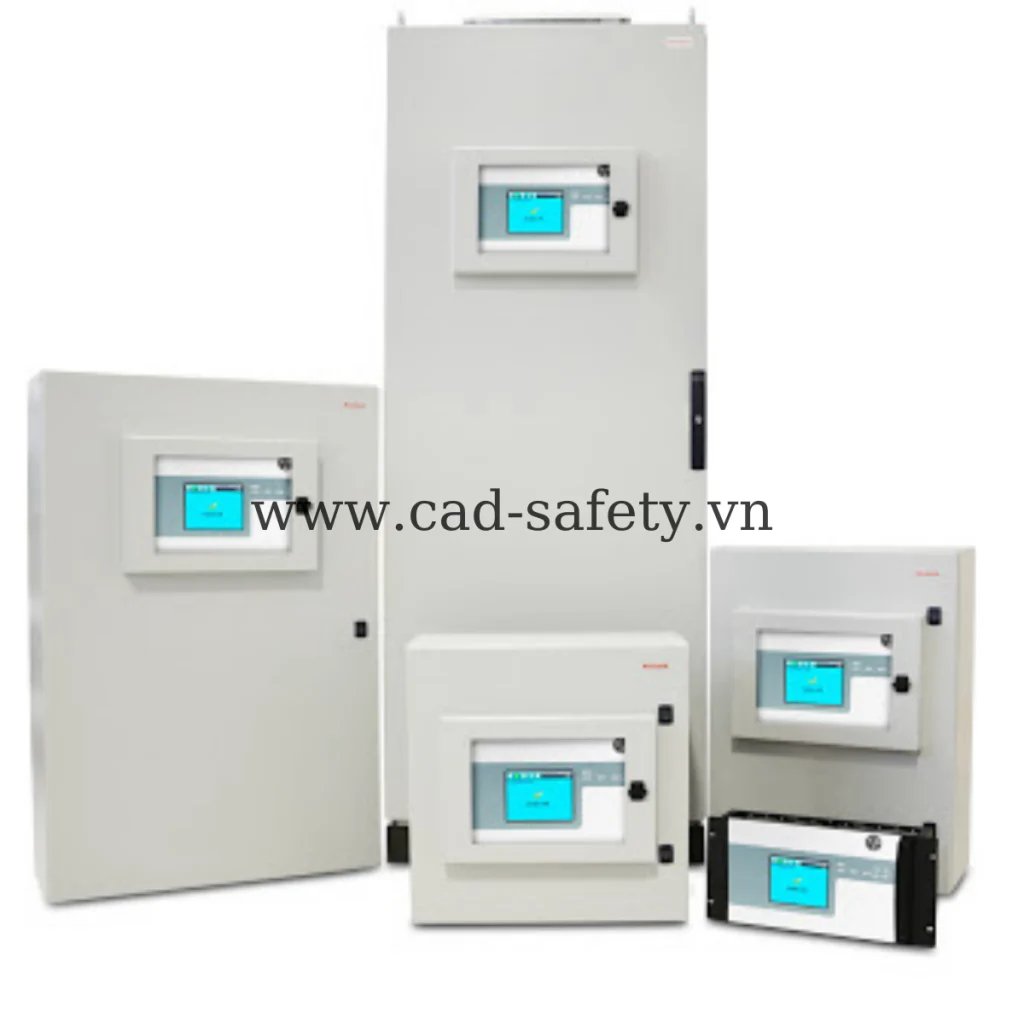
Examples from CAD’s range, per the product pages: the Honeywell XNX universal gas detector works with all three sensor types (catalytic, electrochemical, infrared), with 4-20 mA, HART and Modbus outputs and SIL 2; the Searchpoint Optima Plus is an infrared detector for hydrocarbon gases such as CH4 and C3H8; the Honeywell Midas detects toxic and specialty gases with remote sampling up to 30 m; the Touchpoint Pro gas detection control panel has a touch screen, up to 64 input channels and 128 output channels, and is designed for applications requiring levels such as SIL 2.
Which gases to detect
- Flammable gases (methane, LPG, hydrogen, solvent vapours): measured in % LEL, the percentage of the lower explosive limit. For example, 100% LEL of methane corresponds to about 4.4% by volume under IEC 60079 (5% under ISO 10156).
- Toxic gases (CO, H2S, NH3, Cl2, SO2…): measured in ppm, with alarms set against occupational exposure limits.
- Oxygen (deficiency or enrichment): measured in % by volume.
Three sensor technologies: catalytic, infrared, electrochemical
| Technology | Typical gases | Strengths | Limits |
|---|---|---|---|
| Catalytic bead | Flammable gases including hydrogen, measured in % LEL | Detects many flammable gases, hydrogen included; linear response | Needs oxygen; can be poisoned (silicones, sulphur compounds…); no fail-safe behaviour; needs frequent calibration |
| Infrared (IR) | Hydrocarbons such as methane and propane; % LEL or % volume | No oxygen needed, not chemically poisoned; suitable even in an oxygen-poor atmosphere | Cannot detect hydrogen; affected by humidity, temperature and pressure; still needs bump tests and calibration |
| Electrochemical | Toxic gases and oxygen: CO, H2S, NH3, Cl2, SO2, O2… | Sensitive at ppm level, selective for each gas | Limited life (typically a few years, depending on conditions); sensitive to temperature and humidity; possible cross-sensitivity to other gases |
A catalytic sensor burns the gas on a catalyst bead, so it needs oxygen and can be poisoned; an infrared sensor measures how much infrared light the gas absorbs, so it needs no oxygen, but hydrogen does not absorb infrared in this band, which means a different technology is needed where hydrogen is a risk. An electrochemical sensor produces a current when the gas reacts at an electrode, so its life depends on the electrolyte and the environment. Semiconductor and PID (for volatile organic compounds) sensors also exist for some special applications.
For large areas, an open-path infrared detector sweeps a beam across the area and is covered separately in IEC 60079-29-4.
Where to place detectors
- Close to likely leak points: valves, gauges, flanges, T-joints, filling and drain points, compressors, pressurised vessels.
- Gases lighter than air (methane, ammonia, hydrogen) call for a high position, ideally with a collecting cone; gases heavier than air (butane, propane, SO2) call for a low position.
- A process at high temperature and pressure can make a heavy gas rise or spread instead of sinking; place the detector a short distance from the high-pressure part so a gas cloud has time to form.
- Point the sensor head downwards so dust and water do not settle on the sensor face; use a weather guard and a sun shade outdoors.
- Consider natural and forced airflow, and leave easy access for checking and calibration.
- For open-path infrared detectors, the beam must not be permanently blocked and the mount must be solid with little vibration.
More detail is in the article Effective Gas Detector Placement and Positioning. The exact number and positions of detectors should be set by a risk assessment involving process and safety engineers and people who understand gas dispersion, and the agreements should be recorded.
Alarm levels
Standards such as IEC 60079-29-2 do not fix one set of alarm levels; the designer and the applicable regulation decide them. The table below only lists commonly used values for reference.
| Gas type | Alarm 1 (warning) | Alarm 2 (danger) | Action usually tied to the level |
|---|---|---|---|
| Flammable gas | Commonly about 20% LEL | Commonly about 40% LEL | Level 1: sounder, beacon, more ventilation, look for the source. Level 2: shut off the gas supply or equipment, evacuate according to procedure |
| Toxic gas | Per the time-weighted average (TWA) exposure limit of the applicable regulation | Per the short-term exposure limit (STEL) or a higher harm level | Warn, ventilate, restrict entry to the area |
| Oxygen | Below 19.5% (deficiency) | Above 23.5% (enrichment) | Keep people out, ventilate, find the cause |
The 19.5% and 23.5% oxygen thresholds are the definitions of oxygen-deficient and oxygen-enriched atmospheres in the OSHA standard 29 CFR 1910.146; an installation in Vietnam must apply local regulations and the facility owner’s rules. The system should also have a separate fault signal (detector failure, broken wire) so the operator does not mistake “silent” for “safe”.
Standards and approvals to know
- IEC 60079-29-1: performance requirements and test methods for flammable gas detectors.
- IEC 60079-29-2: guidance and recommended practice on the selection, installation, use and maintenance of detectors for flammable gases and oxygen. It is guidance, not law; mandatory rules are set by each country’s legislation.
- IEC 60079-29-4: requirements for open-path infrared flammable gas detectors.
- EN 45544 (toxic gas detectors for workplaces) and EN 50104 (oxygen detection and measurement equipment).
- ATEX / IECEx: approvals for equipment used in explosive atmospheres; choose by the hazardous area classification (Zone) of the installation.
- SIL (IEC 61508): safety integrity level, to consider when the system carries a safety function such as emergency shutdown.
Calibration and maintenance
Two easily confused tasks: a bump test (functional check) exposes the sensor to test gas at a concentration high enough to trigger the alarms, confirming that gas reaches the sensor and the alarms work; calibration adjusts the sensor’s response to match a traceable reference gas concentration. A bump test does not measure accuracy; calibration does. For portable instruments, ISEA recommends a bump test or calibration check before each day’s use, following the manufacturer’s instructions.
For fixed detectors the interval is decided by the manufacturer, the environment and the level of risk. IEC 60079-29-2 suggests checking frequently at first (for example weekly) and then lengthening the interval with experience. The whole output chain (sounder, beacon, shut-off relay) should also be tested, sensors replaced according to their life, and records kept. See also the article Why Gas Detector Calibration Matters.
Steps to put a gas detection system in place
- Assess the risk and classify the hazardous areas; identify the gases that may appear and the leak sources.
- Choose the detector technology for each gas (catalytic, IR, electrochemical) and the approval level needed.
- Lay out the number and positions of detectors, recording the reasons.
- Configure the control panel: alarm thresholds, valve or fan shut-off logic, communication with the DCS/PLC.
- Commission and accept, including testing with calibration gas and testing the whole output chain.
- Operate: bump tests, calibration, sensor replacement and records at regular intervals.
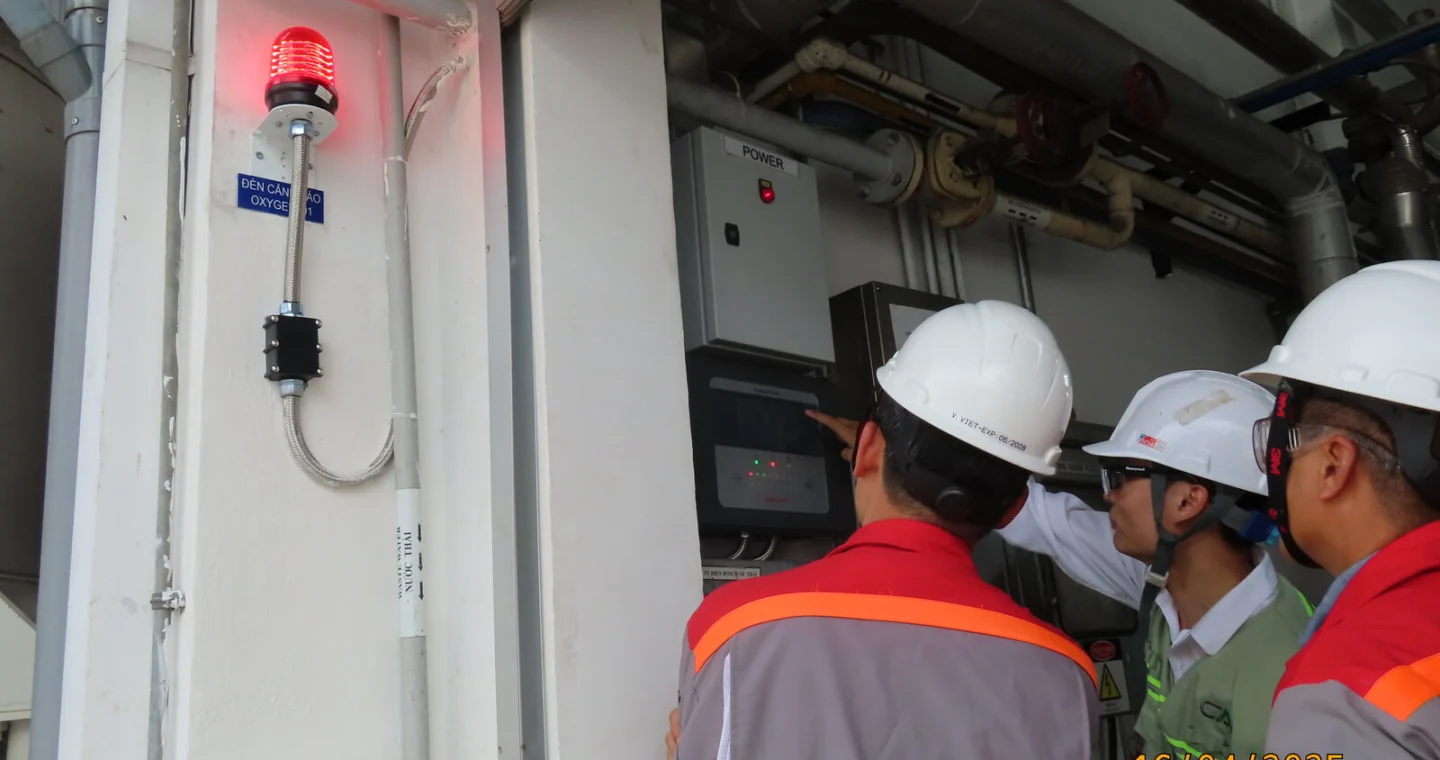
One example from CAD’s project record: oxygen gas detection at the Henkel Bien Hoa factory. Portable gas detectors complement fixed detectors where operators move around, but they do not replace a fixed system.
Need advice on gas detectors, control panels or the layout of a gas detection system for your plant? CAD supplies genuine equipment with full CO/CQ documentation. Send the model / specifications and CAD will quote within 24 working hours: contact CAD.
Frequently asked questions
How does an industrial gas detector differ from a domestic gas alarm?
Industrial detectors usually carry explosion-proof approvals where needed, a 4-20 mA, HART or Modbus output for a control panel or DCS, a housing for harsh environments and on-site calibration. Domestic units are usually stand-alone devices that alarm locally.
Catalytic or infrared sensor for flammable gas?
Infrared suits hydrocarbons, is not poisoned and works in oxygen-poor air. Hydrogen cannot be detected by infrared, so another technology such as catalytic is needed. Many systems use both; for example the Honeywell XNX supports all three sensor types.
How often should a fixed gas detector be calibrated?
There is no universal interval. The manufacturer, the environment and the level of risk decide it; IEC 60079-29-2 suggests checking frequently at first (for example weekly) and then lengthening the interval with experience. Bump tests and calibrations should be recorded.
How many detectors does a plant need?
There is no general number. It depends on the number of possible leak points, pressure and quantity of gas, ventilation, equipment layout and the result of each site's risk assessment.